
30 Sep 2026 12:04
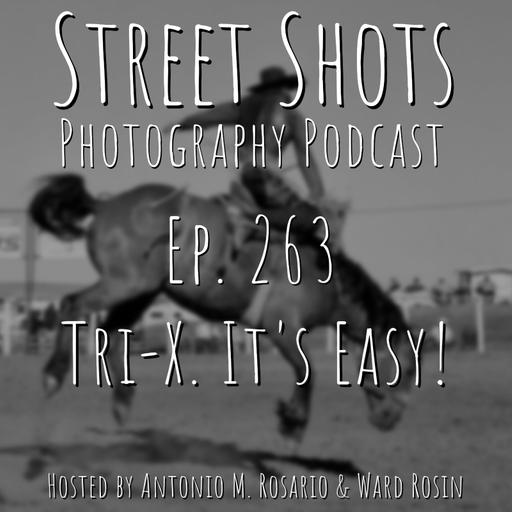
Tri-X. It's Easy!
“A camera didn’t make a great picture any more than a typewriter wrote a great novel.”
— Peter Adams
“It’s not when you press the shutter, but why you press the shutter.”
— Mary Ellen Mark
In this episode, Antonio and Ward dig into what makes a photograph worth stopping for in the first place. Antonio shares how teaching a small photography class pushed him to focus less on perfect images and more on attention, curiosity, and the little details people notice once they slow down. Ward brings in recent film work, including medium-format rodeo photos, and the two talk through the special “airiness” and physical feel that film and older cameras can bring to an image.
They carry that idea into large-format cameras, field cameras, phone photography, Fuji film simulations, and the creative blocks that can come from too many self-imposed limits. Ward wrestles with a Fuji X-E3 setup that has him feeling stuck, while Antonio considers how newer iPhone camera tools and film-grain textures change the look and feel of everyday shooting. The episode wraps with a recommendation for Mary Ellen Mark’s Encounters, a celebration of her social documentary work, and a reminder that gear matters most when it changes how photographers see.
Links & Resources Learning to Notice
-
The Art of Noticing: Better Photographs Close to Home — Antonio’s photography class through Southeast Community College in Lincoln. The class focuses on slowing down, noticing overlooked details, and finding worthwhile photographs close to home.
-
Walker Evans — Discussed in connection with photographs of churches, vernacular architecture, and the visual influences photographers carry with them.
-
Hand Hills Lake Stampede — The Alberta rodeo where Ward made the medium-format photographs discussed in the episode.
-
Flic Film — The Alberta-based film company and lab that developed and scanned Ward’s 120 film.
-
Between Dust and Sky — Ward Rosin and Mark Reierson’s book documenting the 100th Hand Hills Lake Stampede.
-
Twin-lens reflex cameras — The waist-level medium-format camera design Ward used to photograph rodeo action.
-
Rolleicord — Ward’s Rolleicord, the simpler sibling of the Rolleiflex, dates from around 1959 and uses a Schneider Xenar lens.
-
Minolta Autocord — Another twin-lens reflex camera in Ward’s collection.
-
Fujifilm GFX system — Fujifilm’s digital medium-format system, discussed in comparison with the look of 120 film.
-
Porch Art Palooza — Lincoln’s free, self-guided neighborhood art tour, featuring local artists and pop-up galleries on residential porches.
-
Intrepid Camera — The Brighton, UK, company making lightweight modern large-format cameras. Antonio handled one of its portable 4×5 field cameras at Porch Art Palooza.
-
Intrepid 4×5 Kickstarter — The

