
21 Aug 2026 09:00
#408 Low ALP, Fractures, and Early Tooth Loss Point to Hypophosphatasia
Hypophosphatasia (HPP) can present very differently from one person to the next, from life-threatening complications in infancy to fractures, chronic pain, muscle weakness, or early tooth loss later in life. With symptoms spanning multiple body systems and varying across the lifespan, how can clinicians recognize when these seemingly disconnected findings may point to HPP?
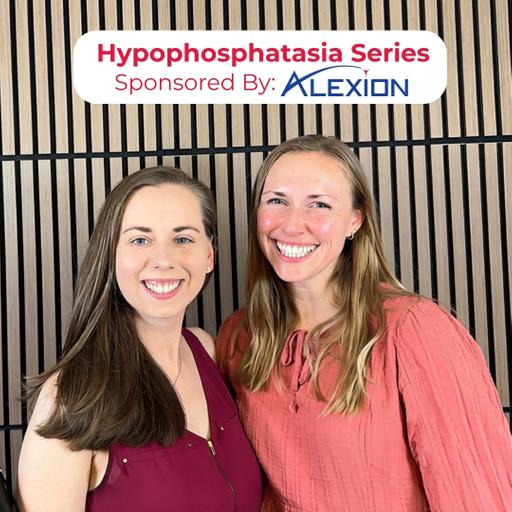
In the first episode of our three-part series on hypophosphatasia, we are joined by genetic counselor Amy Patterson to explore the clinical spectrum and diagnosis of HPP. Amy explains what happens biologically in HPP, why traditional age-based classifications do not always capture its variability, and how the condition may present from the prenatal period through adulthood.
We also discuss the importance of persistently low alkaline phosphatase (ALP), including why results must be interpreted using age- and sex-appropriate reference ranges. Amy reviews the additional laboratory findings, medical and dental histories, imaging, physical examination, and molecular testing that may contribute to a diagnosis. She also highlights common misdiagnoses and the clinical clues that should prompt healthcare providers to consider HPP.
Episode Discussion Topics- What hypophosphatasia is and how impaired mineralization affects the body
- The perinatal, infantile, childhood, adult, and odonto forms of HPP
- Prenatal and infantile presentations of severe HPP
- Clinical and dental signs in children
- Fractures, chronic pain, fatigue, weakness, and dental concerns in adults
- How manifestations may change throughout a person’s lifetime
- Variability among relatives with the same familial ALPL variants
- Common diagnostic delays and misdiagnoses
- Distinguishing HPP from other causes of rickets and skeletal abnormalities
- Differentiating HPP from osteoporosis, osteopenia, osteoarthritis, and fibromyalgia
- The importance of persistently low ALP and appropriate reference ranges
- Alternative explanations for a low ALP result
- The HPP International Working Group
- The roles of laboratory testing, radiographs, dental records, and medical history
- When molecular testing of the ALPL gene may be appropriate
- Whether HPP can be diagnosed without an identified pathogenic or likely pathogenic ALPL variant
Amy Patterson, MS, CGC, is a licensed, board-certified genetic counselor in the Department of Genetic Medicine at Johns Hopkins. She works with pediatric and adult patients in the general genetics clinic and the Greenberg Center for Skeletal Dysplasias, including individuals and families affected by hypophosphatasia.
About the SeriesThis episode is the first in a three-part educational series about hypophosphatasia. Stay tuned for the next installment . Across the series, we explore the clinical spectrum and diagnosis of HPP, its genetic basis and variable expression, and considerations for genetic counseling and management.
This series is sponsored by Alexion. The views expressed by the host and guests are their own.
Resources- Dahir KM, Nunes ME. Hypophosphatasia. GeneReviews®. Updated March 27, 2025. This comprehensive clinical overview covers the presentation, diagnosis, genetics, management, and genetic counseling considerations for HPP.
- Beck NM, Sagaser KG, Lawson CS, et al.

