10 Mar 2026 03:30
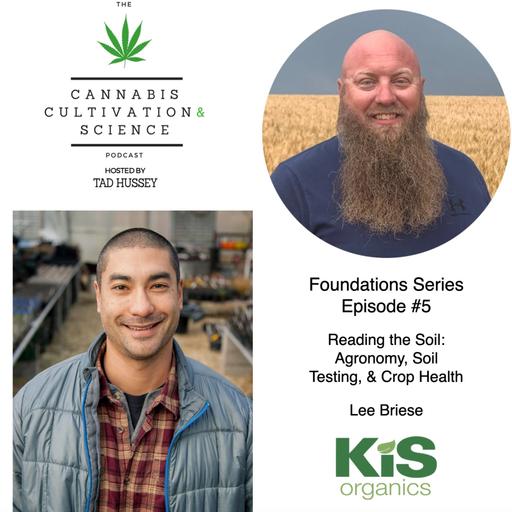
Foundations Series #5: Reading the Soil: Agronomy, Soil Testing & Crop Health with Lee Briese
• Why experienced crop consultants rely heavily on chemical soil analysis for making management decisions • The limitations of relying solely on biological soil testing • Why soil structure and aggregation play a critical role in plant health • How soil physical properties influence water movement, aeration, and root development • The importance of walking fields and directly interacting with soil • Using smell, texture, and visual indicators to understand soil conditions • How agronomists diagnose soil problems using multiple indicators at once • Why soil management is similar to medical diagnosis — identifying root causes rather than symptoms • The role of experience and pattern recognition in interpreting soil tests • Bridging lab data with real-world field observations
Hosted by Simplecast, an AdsWizz company. See pcm.adswizz.com for information about our collection and use of personal data for advertising.