10 Apr 2026 10:18
Future Proof Homes Against Disaster with Ben Gilliland
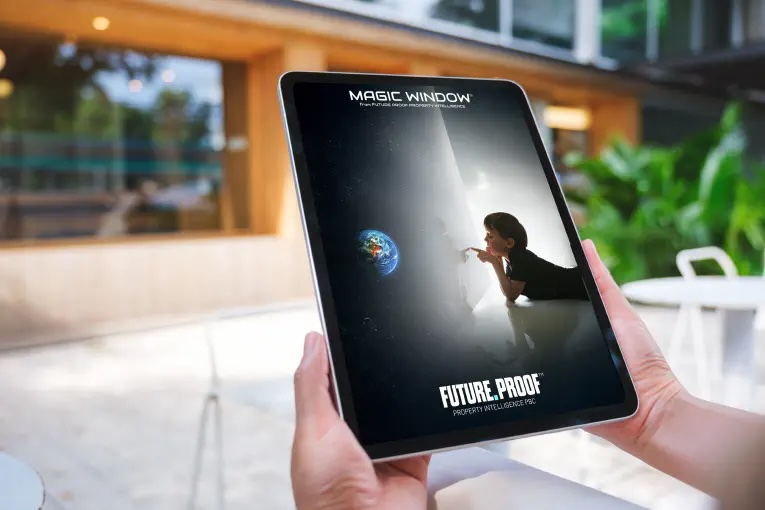
The Disaster Podcast hosted Ben Gilliland from Future Proof Property Intelligence to discuss his company’s AI-powered solution for assessing and mitigating climate-related risks to homes. Ben explained how their technology uses smartphone video scans, NVIDIA AI, and IBM climate data to create 3D models of properties, identify risk factors, and provide remediation plans and cost estimates. The discussion covered how their system addresses the mismatch between rising weather risks and shrinking insurance options, with an average cost of $10,000-$40,000 for home remediation.
Becky DePodwin joined the call as well to offer her thoughts on this technology. The episode is co-hosted by Sam Bradley and Jamie Davis.
Scroll down for Podcast Discussion Summary
Thank you as always to Paragon Medical Education Group for their long-term support of the Disaster Podcast. Dr. Joe Holley and the team at Paragon continue to provide excellent and customized disaster response training to jurisdictions around the U.S. and internationally as well.
Podcast Discussion Summary
Disaster Response Program Evolution
The group discussed Joe, a Memphis-based medical director and ER doctor who runs Pentagon Medical Education Group, which provides experiential training for disaster responders using cadaver labs. Benjamin shared that his organization has shifted focus to develop a private sector solution for disaster mitigation after FEMA’s funding changes, working with Thomas Chandler from Columbia on developing remediation programs. Benjamin explained how their program has evolved to include three main areas: remediation, education, and preparedness, moving from a initial focus on house hardening to a broader approach including people engagement and warning systems.
Resilience Technology Podcast Preparation
The meeting focused on preparing for an upcoming podcast episode about using technology to enhance home and workplace resilience. Benjamin Gilliland from Future Proof Property Intelligence was introduced as the guest. The hosts, Jamie and Sam, discussed the format of the podcast and introduced Becky, a meteorologist and emergency management expert, as a participant. The conversation briefly touched on weather conditions and El Nino before transitioning to prepare for the main discussion about resilience technology.
AI-Powered Home Assessment Solution
Benjamin shared his extensive back