25 Apr 2026 10:53
IBHS Supports Research into Hailstorms and Other Disasters
This episode of the Disaster Podcast featured a discussion about resilience and preparedness with guest Jake Sorber from the Insurance Institute for Business and Home Safety (IBHS). Jake explained IBHS’s research on severe weather hazards, particularly focusing on hail damage and wind-driven hail, which can cause significant additional damage to homes. He described IBHS’s unique ability to manufacture scientific ice spheres to accurately test building materials’ resistance to hail impacts.
Becky DePodwin, our disaster emergency management expert joined the discussion along with our episode host, Jamie Davis.
Scroll down for Podcast Discussion Summary
Thank you as always to Paragon Medical Education Group for their long-term support of the Disaster Podcast. Dr. Joe Holley and the team at Paragon continue to provide excellent and customized disaster response training to jurisdictions around the U.S. and internationally as well.
Podcast Discussion Summary
Disaster Podcast: Resilience and Preparedness
Jamie Davis welcomed listeners to the Disaster Podcast and introduced the topic of resilience and preparedness. He noted that Sam was unavailable due to her recent move, but Becky was present as a guest. Jamie then introduced Jake Sorber, a research project scientist at the Insurance Institute for Business and Home Safety, who discussed his background in atmospheric science and his current work studying the effects of hail and wind on residential homes and commercial structures.
IBHS Structure Testing and Mitigation
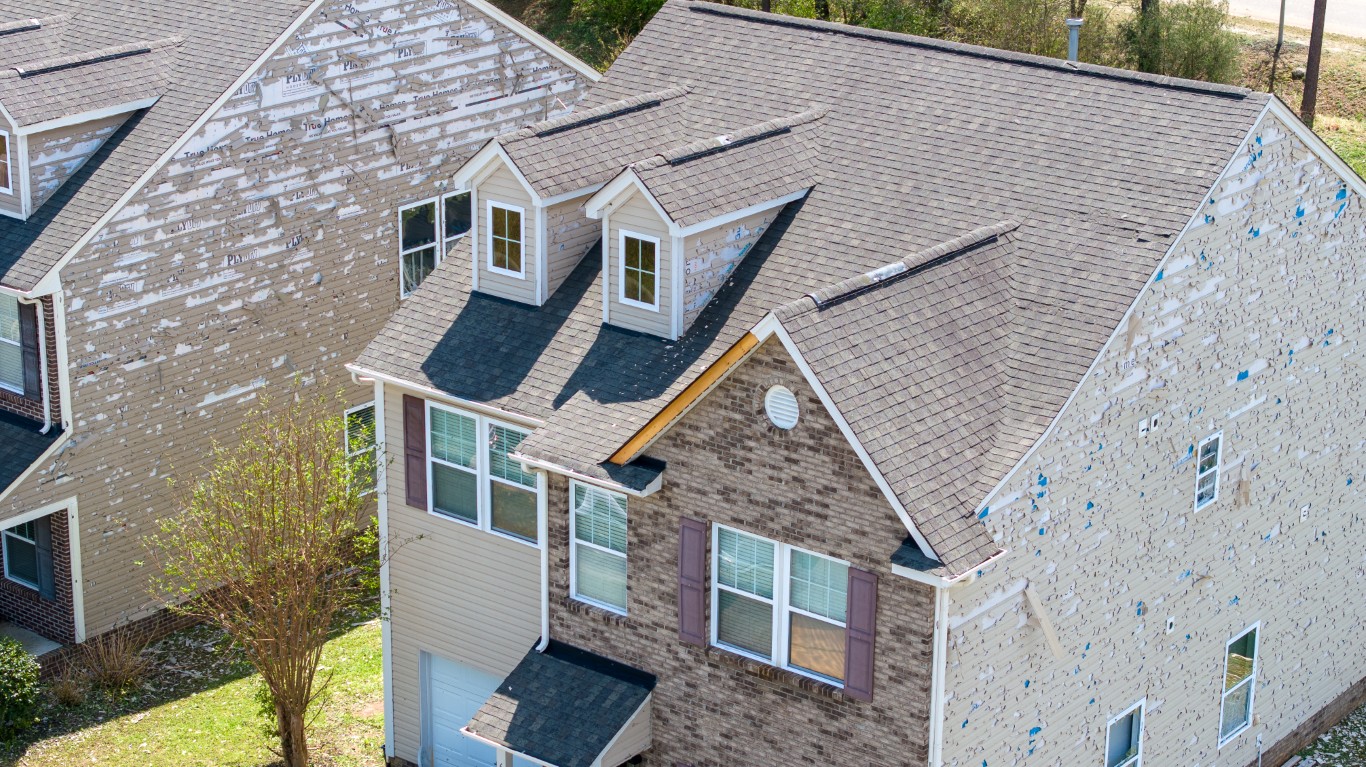
Jake explained how IBHS, an insurance industry organization, was founded to conduct full-scale testing of structures to better understand vulnerabilities to severe weather events like hurricanes, hail, tornadoes, and wildfires. He described a specific hailstorm in Rock Hill, South Carolina in April 2024 that demonstrated how wind-driven hail can cause damage beyond rooftops, including siding and windows, which can lead to water intrusion and significantly increase losses by 2-4 times. Jake emphasized the importance of identifying “damage amplifiers” – structural elements that fail and cause disproportionate damage, which helps in developing mitigation strategies.