21 May 2026 05:16
Open Tab: Ashlee Vance
In episode 3 of Open Tab, Substack co-founder Hamish McKenzie shared a few rounds with filmmaker and tech journalist Ashlee Vance at Fred’s Place, a longtime neighborhood dive in Mountain View just minutes from where the technology that gave Silicon Valley its name was born. After two decades covering tech for major publications, Ashlee circled the globe for Hello World, Bloomberg’s travel-tech documentary series exploring “the freshest, weirdest tech creations” and introducing viewers to “the beautiful freaks behind them.” That same pull toward tech’s biggest risk-takers also led him to write a bestselling biography of Elon Musk, based on months of interviews and unusually direct access—a profile Musk first praised as “95% accurate” before turning on it at publication.
With Core Memory , the media company he founded and now runs on Substack, Ashlee is still writing, reporting, and making films, but with his own shop and team. He says his work gives audiences a window into where the world is going six or seven years before the rest of the culture catches up. In his conversation with Hamish, he talks about what it actually takes to get close to a subject, why he walked away from what he called the best job in media, and the stories and formats he’s building as the bet seems to be paying off.
CORE MEMORY
Started: 2025
Subscribers: Thousands of paid (orange checkmark bestseller)
Format: Newsletter, podcast, video series, documentary films
Team: A crew of writers, producers, editors, and a social media team, led by Ashlee alongside a COO, a chief creative officer, and an operations lead
Extensions and verticals: Multiple writers producing regular newsletter sends across beats; podcast; merch; feature documentary projects in production, including an upcoming Neuralink documentary produced and self-funded through the company
Hamish: Why are we here at Fred’s Place in Mountain View?
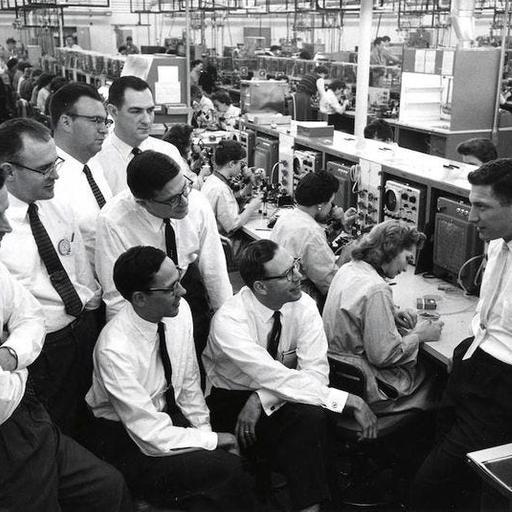
Ashlee: I spent most of my early 20s in the Tenderloin [in San Francisco] bonding with dive bars. It was part of my lifestyle. Fred’s has been here for about 60 years. They go back to the ’50s. And down the road, probably about a mile from here, is where Fairchild Semiconductor was—which was like the first real semiconductor company. There’s always been this part of Silicon Valley culture that I like, which is they were boozers. As the chip industry was starting to explode, they were pushing the limits of physics, they were pushing the limits of chemistry, they were all super-competitive at their companies. But as engineers are wont to do, they couldn’t help themselves but come to the bar and reveal how they’d just gotten past something that was challenging the whole industry. They would all share this knowledge, and then the whole industry would move forward. Even today, you have AI companies in this multi-trillion-dollar life-and-death struggle. And those guys don’t go to bars, but they meet up and share their takeaways. They do hot yoga and then share how they figured something out. The same thing, though. So I thought, this bar will be symbolic of those roots and traditions.
Hamish: Ten years ago, you published the first good biography of Elon Musk, which became a massive bestseller and a phenomenon in its own right. You got a lot of access to Elon through the writing of that book. It must have been hard to convince him to give you that time in the first place. Can you tell me a