
14 Oct 2026 03:56
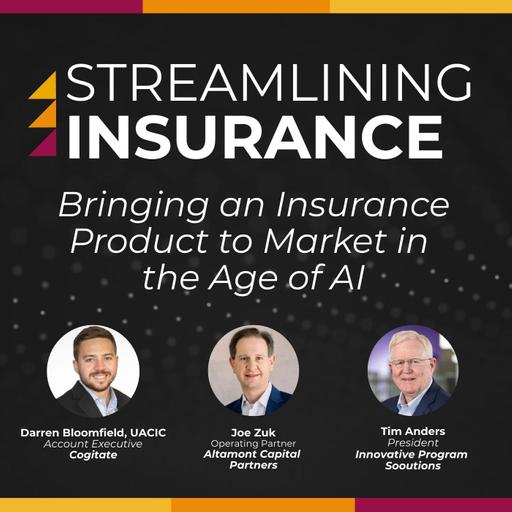
Streamlining Insurance: Bringing an Insurance Product to Market in the Age of AI
Topics Discussed
- The shift from economies of scale to specialized insurance organizations
- The changing roles of carriers, MGAs, brokers, reinsurers, and capital providers
- The great unbundling and modularization of the insurance value chain
- Hybrid fronting, MGA incubators, and enablement services
- Private equity, private credit, and institutional insurance capital
- How AI and data are changing underwriting and operations
- Why human judgment and contextual awareness remain essential
- Policy administration technology and operational efficiency
- Talent development and the future underwriting pipeline
- Why MGAs attract entrepreneurial underwriting talent
- Program durability, multiple capacity providers, and protecting the pen
- Broker needs and reducing friction in complex placements
- Catastrophe-exposed markets in California and Florida
- How MGAs identify distressed or underserved market opportunities
- The role of distribution, credibility, talent, and technology in launching an MGA
Key Takeaways
- Insurance functions that once sat under one roof are increasingly owned, priced, and delivered by specialized organizations.
- Capital is becoming more flexible, but sound judgment, credibility, and disciplined execution remain scarce.
- Specialist expertise and proximity to the customer can improve risk selection and pricing decisions.
- AI is best positioned as an underwriting and operational support tool rather than a replacement for experienced judgment.
- Successful MGA platforms need strong policy administration capabilities and technology that can accommodate new tools and workflows.
- MGAs can offer underwriters greater agility, ownership, and entrepreneurial opportunity, but they must also develop sustainable talent pipelines.
- Durable programs reduce broker friction, consolidate expertise, and create a consistent experience across accounts.
- Market stress and coverage gaps often create opportunities for specialized MGAs, particularly in catastrophe-exposed or emerging risks.
- A successful MGA requires capital, distribution, talent, technology, deep underwriting expertise, and organizational support.
- Long-term carrier relationships depend on data, credibility, and a demonstrated commitment to target financial outcomes.
Focusing exclusively on risk management and insurance professional development, the Risk & Insurance Education Alliance provides a practical advantage at every career stage, positioning our participants and their clients for confidence and success.

