13 May 2026 10:01
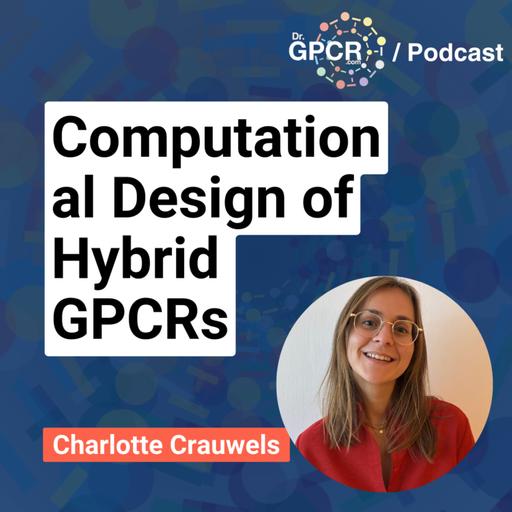
Chimeric GPCRs: Why the Easy Designs Fail — Charlotte Crauwels
What if two nearly identical GPCRs make a worse chimera than two receptors from completely different classes? Charlotte Crauwels is building computational tools to find out why — and to predict which designs will work before they reach the bench.
Crauwels develops in silico pipelines for chimeric GPCR design at the Free University of Brussels. Her work sits at the interface of computational prediction and experimental validation, addressing a problem the field has struggled with for decades: chimeric constructs are powerful but unpredictable, and the data surrounding them is scattered, inconsistently named, and poorly annotated. After spending over a year collecting and standardizing published chimeric GPCR data, she built GPCR ChimeraDB — one of the first public databases dedicated to these constructs.
Key takeaways:
- How chimeric GPCRs can deorphanize receptors and reveal signaling pathways that were previously inaccessible
- Why computational ranking of chimeric candidates replaces trial-and-error in the lab
- What inconsistent nomenclature and missing annotations cost the field — and how better data sharing changes the game
- Why the feedback loop between computational and experimental scientists is non-negotiable for GPCR research
Dr. GPCR Links & Resources
- Dr. GPCR Ecosystem: https://www.ecosystem.drgpcr.com/
- Membership & Pricing: https://www.ecosystem.drgpcr.com/university-pricing
- Weekly News: https://www.ecosystem.drgpcr.com/gpcr-weekly-news