10 Jun 2026 09:00
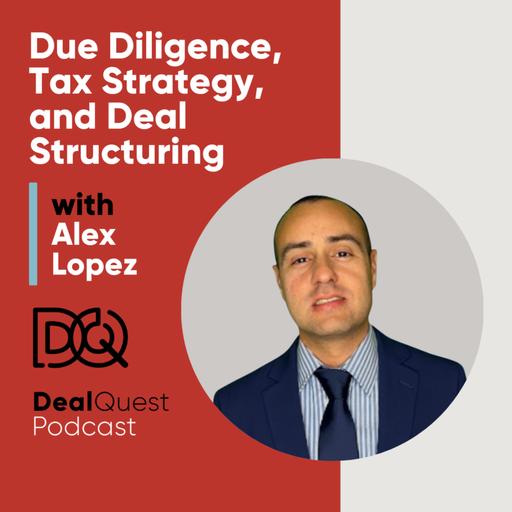
Episode 407: Due Diligence, Tax Strategy, and Deal Structuring with Alex Lopez
From selling candy in school as a kid in Medellin and getting robbed by his business partner, to riding the South Florida real estate boom and losing everything in the crash before he was twenty, Alex Lopez, CPA built his understanding of deals through lived experience long before he picked up an accounting textbook.
Alex runs a CPA firm specializing in CFO services and tax minimization strategy, with over 12 years of experience at global accounting and consulting firms and in corporate America. He works with entrepreneurs in professional services, tech, and real estate, focused on helping them scale from six to seven to eight figures while keeping more of their profits out of the IRS's hands.
His years as a financial auditor trained him to assess a business quickly, corroborate what owners claim, and identify which direction a company is actually trending. In this episode he walks through two contrasting deals: one where understanding why a buyer was willing to stretch above market multiples revealed hidden strategic value that let his client hold firm on price, and another where a single off-ratio insurance figure that nobody fully investigated masked a multi-million dollar misrepresentation that killed the deal entirely. He also shares the story of a seller whose insistence on cash over a higher leveraged offer turned out to have nothing to do with preference and everything to do with a pending white collar conviction.
On tax planning, Alex is direct: by the time a deal is under letter of intent, several of the most powerful strategies are already gone. He walks through qualified small business stock, which can allow eligible founders to exit with little to zero federal tax on the capital gain from a business sale, but only if the company was structured as a C corporation and the stock held for at least five years. He described a young tech founder who called his firm last year with the deal locked and loaded to close, and paid a seven-figure tax bill because nobody had ever told him this option existed.
The conversation also covers how S corporation elections that make sense for self-employment tax purposes can create complications in deals that include rollover equity, why founders who avoided C corp status to preserve early pass-through losses often give up far more in QSBS savings than they ever gained, and how structuring payouts over time can both spread the tax bill across lower-bracket years and give sellers leverage to negotiate a higher total price.
For anyone building a business with any intention of eventually selling, this episode makes one thing clear: the time to think about these questions is years before you have a buyer at the table.
FOR MORE ON ALEX LOPEZ, CPA: Website: AlexLopezCPA.com
FOR MORE ON COREY KUPFER: https://www.linkedin.com/in/coreykupfer/ https://www.coreykupfer.com/
Corey Kupfer is an expert strategist, negotiator, and dealmaker. He