
28 Sep 2026 11:00
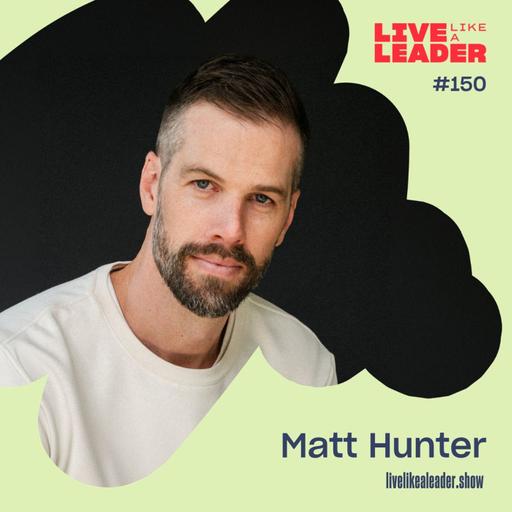
Matt Hunter: How to Be Tough Enough Without Becoming a Jerk
Today, I sit down with Matt Hunter, executive coach and co-author with John Baird of Tough Enough: How to Lead a Team to Greatness Without Being a Jerk. Matt and I met several years ago on Necker Island, and I’ve liked and respected him ever since. When I saw what he and John were taking on with this book, I wanted him on the show.
Because they’re walking straight into a leadership question I care about enormously.
We’ve all seen the examples: founders and executives who produce extraordinary results while leaving a trail of exhausted, intimidated, or unhappy people behind them. Steve Jobs, Elon Musk, Jeff Bezos, and others have reinforced an uncomfortable idea for generations of ambitious leaders: maybe being extraordinarily demanding, even brutal, is simply what greatness requires.
Matt doesn’t dismiss that evidence. That’s what makes this conversation interesting.
His argument is that toughness really does matter. Bold missions require conviction. High-performance teams require standards. Leaders sometimes need to make difficult decisions, push people beyond comfort, and remain steady when everyone around them is scared.
But toughness and cruelty are not the same thing.
Matt and John Baird have identified seven habits intended to help leaders become what they call “tough enough”: highly demanding while retaining compassion, respect and humanity.
That leads us into one of my favorite parts of the conversation: vulnerability.
I’ve spent years thinking about the difference between indiscriminate vulnerability and what I call Insightful Vulnerability™. A leader blurting out every fear before the team charges up the proverbial hill may technically be “authentic,” but that doesn’t necessarily make it good leadership. Vulnerability becomes valuable when it serves the people listening, builds trust, and creates Emotional Credibility™.
We also get very personal about the cost of toughness. Matt and I both experienced serious health consequences after intense startup chapters. That takes us into a much more useful question than work-life balance: How do you lead relentlessly without destroying your capacity to keep leading?
This conversation isn’t an argument for being softer.
It’s an exploration of how to become tougher in the places that matter, compassionate in the places that matter, and intentional enough to know the difference.
Key Takeaways- I think we have to stop treating toughness and compassion as opposites. Matt’s central argument is that leaders can set extremely high standards, pursue bold goals, and make difficult decisions without treating people badly.
- I came away appreciating the distinction between being “tough” and simply being aggressive. Toughness can mean conviction, endurance, accountability, and an unwillingness to abandon the mission when things get uncomfortable.
- I believe vulnerability only works in leadership when it serves a purpose beyond relieving the leader’s own emotions. That’s the distinction I make with Insightful Vulnerability™: share something because it helps other people trust, learn or act, not simply because you happen to feel it.
- I think admitting a mistake can increase rather than diminish a leader’s authority. Saying, “I screwed this up, here’s what I learned, and here’s what I’m changing,” can create trust that defensiveness never will.
- I was struck by Matt’s framing of relentless leadership as an endurance problem rather than simply a work-life balance problem. Ambitious people will push. The question is whether we understand our capacity, recovery, and rate of exertion well enough to keep going.
- I know firsthand that there is a danger zone. During my startup years, years of extreme stress and inadequate sleep contributed to a serious autoimmune illne

