3 Feb 2026 02:38
197. An Update with Melissa Kynoch - Bertie's In School
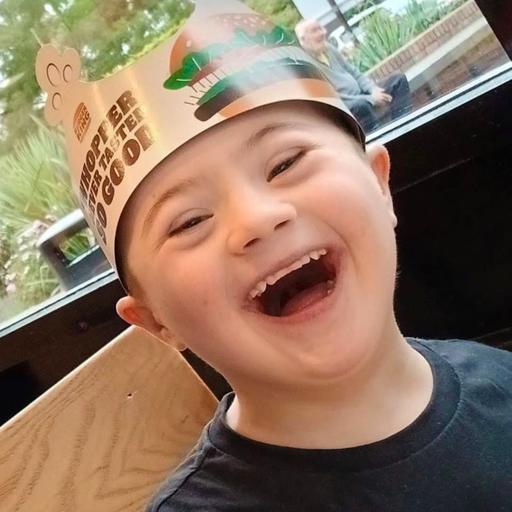
We reconnect with Melissa Kynoch, whom many will remember from the BBC documentary Life and Birth. Millions of viewers around the world were inspired by Melissa’s positivity and grace when her son Bertie was born with Down syndrome. Now, fix years later, Life and Birth is available in the United States on Amazon Prime, giving a whole new audience the opportunity to experience their story.
Melissa shares an update on life and how Bertie is doing now that he’s in school. It’s a beautiful reflection on growth, joy and continuing to embrace each milestone with love and optimism.
Episode Transcript: https://ifweknewthen701833686.wordpress.com/2026/02/02/an-update-with-melissa-kynoch-berties-in-school/2/
Please follow us on X @ifweknewthenPOD, you can drop us a line on our Facebook page @ifweknewthenPOD or visit our website https://www.IfWeKnewThen.com to send us an email with questions and comments. Also join our mailing list there and get alerts of future podcast episodes. Thank you again and we look forward to you joining us on the next episode of IF WE KNEW THEN.
---------
Summary:
In this episode of If We Knew Then, Stephen and Lori reconnect with Melissa Kynoch, a mother from Birmingham, England, whose journey with her son Bertie first reached millions through the BBC series Life and Birth. Now available to U.S. audiences, Melissa’s story continues to resonate as a powerful example of advocacy, perspective, and redefining expectations around a Down syndrome diagnosis. Melissa reflects on her experience receiving Bertie’s prenatal diagnosis, emphasizing her determination to protect the joy of her pregnancy. Knowing Bertie would be her last child, and that he would require early heart surgery, she chose to focus on what mattered most: becoming his mother. Rather than absorbing fear-based narratives, she intentionally rejected negativity and prioritized connection, preparation, and celebration. The conversation highlights how differently a diagnosis can be delivered and how profoundly that delivery shapes a family’s early experience. Stephen and Lori contrast Melissa’s proactive and supported journey with their own, which was marked by discouraging messaging and isolation. This contrast underscores a central theme of the episode: the critical importance of early, positive, and accurate information for parents. As Lori notes, “early intervention” applies not just to children, but to parents as well. Melissa credits much of her mindset and resilience to immediate community support. Before Bertie was born, she connected with local Down syndrome groups, attended meetups, and built relationships that continued through his birth and beyond. She also found strength in resources like the “Wouldn’t Change a Thing” initiative, which provided images and stories focused on what life can be, rather than what might go wrong. This network offered reassurance during Bertie’s early medical challenges, including his successful heart surgery and recovery. Now approaching six years old, Bertie is described as energetic, joyful, and strong—qualities Melissa says were evident even in his earliest days. The discussion touches on the adaptability often seen in children with Down syndrome, particularly in how Bertie has thrived despite his heart condition. His progress serves as a reminder that developmental timelines may differ, but growth continues in meaningful and often surprising ways. The episode also explores communication development. Melissa shares Bertie’s journey with Makaton signing and emerging speech, emphasizing her belief that understanding and expression were always present, even before words came. Stephen and Lori relate this to their son Liam’s experience, reinforcing the idea that communication takes many forms and should be recognized and supported accordingly. Through