18 Mar 2026 10:00
Goodbye For Now
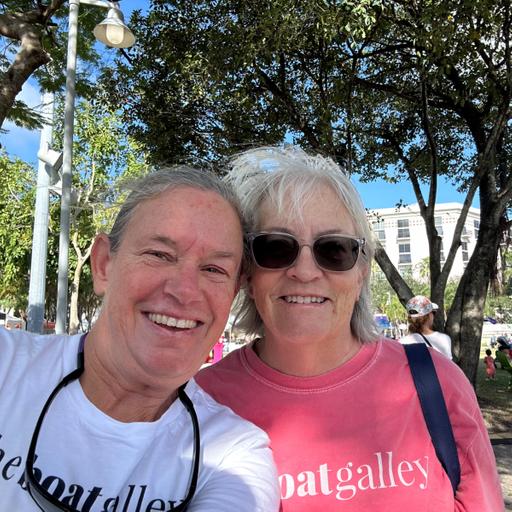
The last regularly scheduled episode of The Boat Galley Podcast is a discussion between Nica and Carolyn on how cruising has changed.
Summary
Today's episode of The Boat Galley podcast is actually a little different. Welcome to a conversation between Carolyn Shearlock and Nica Waters on changes to cruising in the past few decades. But first, we have some news for you.
We've enjoyed recording this podcast for over 800 episodes over the past eight years. That's a lot of useful information available in short episodes--most less than ten minutes long. If you're new to the podcast, make sure you go back and check out our old content.
Thank you to all our listeners. And also, thank you to our sponsors who have supported us. We reached out to our sponsors because we use and love their products. We're not only grateful for their support of the podcast but also for how they've helped make our own cruising lives easier.
Changes in Cruising
Nica first began cruising in the 1990s, and Carolyn began in 2002. Since then, we've seen a lot of changes. One of the biggest has been access to information. With access to satellite-based internet, it's easier to get information than ever. The new challenge is learning to differentiate between useful information and infotainment.
GPS
Of course, a huge game-changer has been the arrival of GPS. In the early days, it wasn't reliable. Early chart plotters made it appear your boat was on land, and GPS service included a warning that it would only be reliable to five miles.
Nica notes that in her current location in French Polynesia, GPS has made navigation much easier. However, she would not rely on it at night.
Ease of Setting Out
Carolyn notes that it used to be typical for cruisers to begin by coastal cruising. They might stay just offshore for five years while they gain the skills required to travel farther afield.
Today, it's easier to set off more quickly. You can connect to the information you need farther from shore. However, it also means some cruisers don't have the experience and skills to rely on if things go wrong.
More cruisers set out with a big goal, like circumnavigating. Carolyn reminds us of Lin Pardey's advice: to keeping going as long as it's fun.
Nica notes that many cruisers are buying larger and more luxurious vessels. That means that they may not have a plan for when their freezer fails or their watermaker needs to be repaired. Skills like knowing how to keep food without refrigeration or how to gather rainwater can help any cruiser if equipment breaks down in a remote location. Redundancy of skills is as important as redundancy in equipment.
Returning to navigation, a cruiser needs to have a plan for if GPS itself becomes unavailable. With paper charts no longer being updated, this becomes a greater challenge.
Carolyn credits her experience as a small boat racer for having the skills to move her boat if something goes wrong. Although she feels self-sufficiency is important, she also expresses gratitude for fellow cruisers who suggested quick fixes when she and Dave were trying to make the perfect repair.
Advice for Cruisers
The Boat Galley exists to make cruising easier and more fun. So it's time to share some advice.
Flexibility
Nica and Carolyn agree that mental flexibilit