7 Jul 2026 09:00
Why Non-Competes Exist (And When They Should Die)
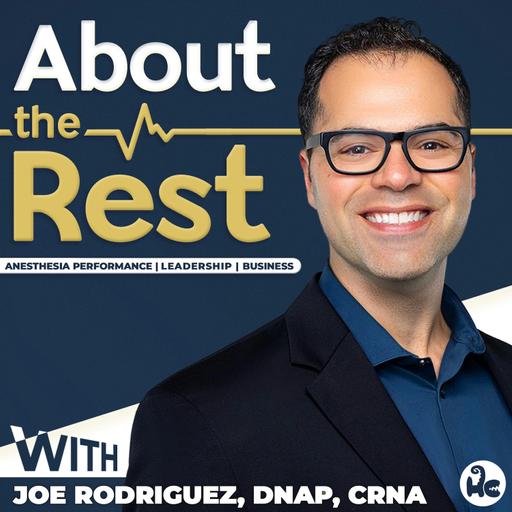
Joe Rodriguez (co-founder, Guide Anesthesia) sits down with Randy Moore (EVP and National Chief CRNA, NorthStar Anesthesia) and Gary Keeling (VP of Anesthesia Services, Coronis RCM). Three seats, three vantage points on the same business. Let the spicy takes flow. First docket: the Arizona reimbursement fight. Gary calls the QZ cut a pure money grab. Randy steelmans the insurer's lobbyist before dismantling him, and explains why the hospitals least prepared to absorb the hit will be the ones paying it. Joe walks through why reimbursement parity doesn't raise costs when subsidies fill the gap, and tells the story of the insurer that paid patients directly for eight years. Second docket: the Texas non-compete case. Gary argues exits should hurt but not kill. Randy says hospitals deserve the right to fire bad vendors, but a $30 million buyout is anti-competitive. Joe draws the line between covenants that trap clinicians and the non-solicit rule that just says don't be shady. Plus: why the resume from Hawaii is a red flag, and what the law of inertia does to anesthesia groups that confuse stability with health. Takeaways:
The QZ cut is not a savings. It's a transfer. Hospitals backstop anesthesia economics, so a 15% commercial reimbursement cut flows through subsidies to hospitals and ultimately taxpayers, while insurers book the difference. Reimbursement parity does not raise costs in anesthesia. Compensation sits above reimbursement and subsidies fill the gap, so cutting one payer's rate changes who pays, not how much is paid. The facilities that use QZ most are the ones least able to absorb the cut. Rural and underserved programs run closest to the margin, which makes this bad policy independent of the scope debate. CRNAs can lose non-compete fights. In the Texas case, the new employer contractually agreed to cover legal costs and damages, and the court sided with the original group anyway. A buyout promise is not a shield. The covenant you signed is enforceable as written, and "I read online it's unenforceable" is not a legal strategy. The line is solicitation, not competition. A non-solicit protects the group that gave you access to its surgeons and referrals without trapping you in place. Competing down the street is fair game. Taking the business with you is shady. Switching costs are a strategy. A $30 million buyout stops being protection and becomes a hostage situation. Hospitals should be able to fire bad vendors at a price that hurts but doesn't kill. Sign contracts like you plan airways. Have a plan A, B, and C for your exit before the honeymoon period ends, because the group that looks great at signing may not look great in year three. Want more Dr. Joe Rodriguez?
Tik Tok: @jrodcrna21
Instagram: @jrod.crna & @abouttherestpod
YouTube: @AboutTheRest Thanks for my co-hosts: Randy Moore (EVP & National Chief CRNA, NorthStar Anesthesia) Gary Keeling (VP of Anesthesia Services, Coronis RCM) To Learn More about Human Content Visit: http://www.human-content.com To Learn More about About The Rest Visit: www.abouttherest.com
Got a Question? [email protected]
Part of the Human Content Podcast Network
Learn more about your ad choices. Visit megaphone.fm/adchoices